Air Filtration & Purification in Los Angeles
Your Air Is Only as Clean as Your System
- WHAT MOVES THROUGH YOUR SYSTEM
How Air Filtration & Purification Support Your HVAC System
Your HVAC system moves air through your home constantly — and whatever’s in that air moves with it. Dust, pollen, pet dander, mold spores, wildfire smoke, construction dust. A standard 1-inch filter catches some of it. Much of the rest keeps circulating through the home.
Air filtration and purification isn’t a separate add-on — it’s part of making sure the system does its job properly. A properly filtered system keeps the air cleaner, improves airflow, and reduces strain on the equipment.
- Los Angeles Air Quality Challenges
What's Actually in Your Air
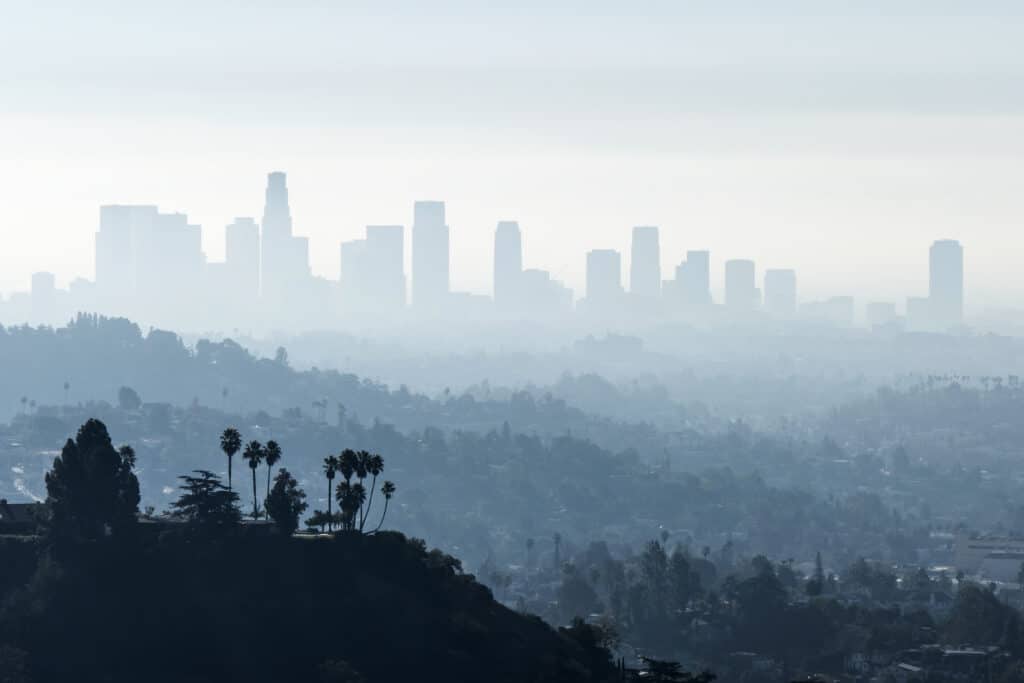
Los Angeles has air quality challenges you don’t see everywhere else. Santa Ana winds bring dust and particulates in from the desert. Wildfire smoke carries particles that standard filters aren’t built to handle. Active construction across the city puts fine particulates into the air that travel well beyond the job site. Even the marine layer on the Westside can trap pollutants close to the ground. Inside the home, it adds up.
Older Los Angeles homes often have years of dust buildup in the ductwork and airborne particles that continue to recirculate through the home. Without proper filtration, your HVAC system recirculates dust and airborne contaminants every time it runs.
- BEYOND THE 1-INCH FILTER
Whole-Home Air Filtration
Whole-home filtration works through your HVAC system — cleaning the air as it moves through it, not just in one room at a time.
01
What a Standard Filter Actually Does
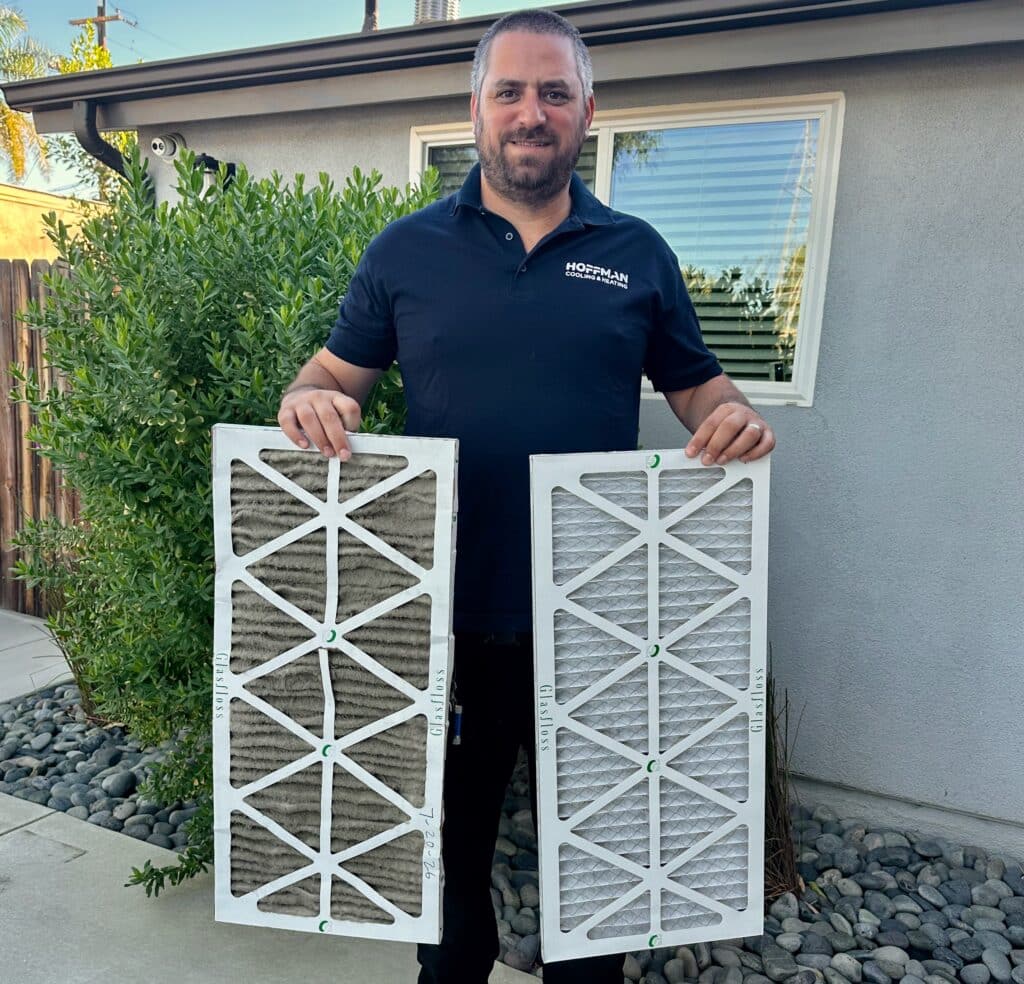
A standard 1-inch filter is there to protect the equipment, not the people in the home. It catches larger debris, but lets allergens, smoke, and fine particulates pass through.
02
What Higher-Efficiency Filtration Captures
Higher-efficiency filtration captures significantly more fine particles than a standard filter — the kind that affect air quality and comfort throughout the home.
03
Matched to the Equipment
A filter that’s too restrictive makes the system work harder than it should. We match the filtration system to the home and what the equipment can properly support. Getting that balance right is part of the job.
- YOUR PURIFICATION OPTIONS
Air Purification Systems
Filtration captures particles. Purification goes a step further — targeting bacteria, viruses, and mold spores that filtration alone doesn’t address.
The right purification system depends on what you’re trying to solve. We’ll explain your options and recommend what fits your home and your goals.
01
Media Air Cleaners
Thicker high-efficiency filters — usually MERV 13 or higher — that catch more dust, smoke, and fine airborne particles than a standard filter. One of the simplest ways to improve indoor air quality without adding complicated equipment.
02
UV Purification Systems
Ultraviolet light at the air handler addresses bacteria, viruses, and mold. Especially useful for people with asthma or allergies, or homes dealing with mold and mildew concerns. Works alongside filtration, not in place of it.
03
Air Scrubbers & Electronic Purification
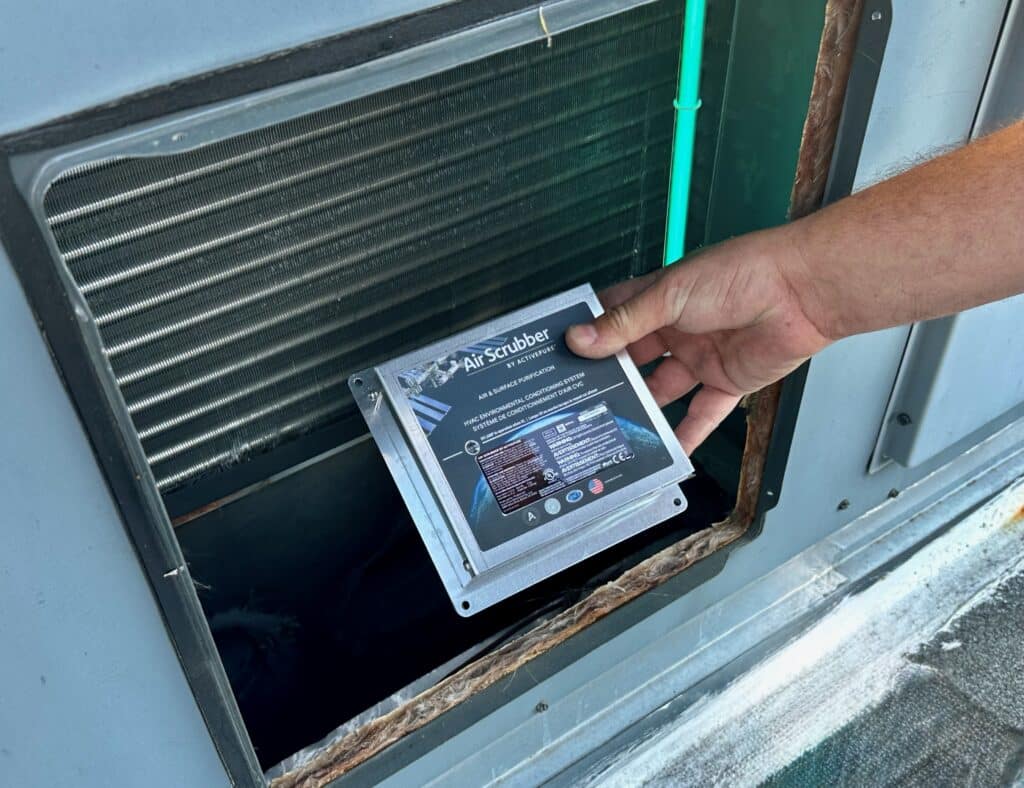
Actively treat the air throughout the home as it moves through the system. We’ve installed these in homes being rebuilt in the Palisades, where construction dust and post-fire particulates are an ongoing concern.
- DURING FIRE SEASON
Wildfire Smoke & LA's Air Quality Events
Wildfire smoke presents a different challenge than ordinary household dust. The particles are much finer, and many standard HVAC filters aren’t designed to capture them effectively.
During wildfire smoke events, keeping windows closed and running the HVAC system with stronger filtration makes a real difference indoors. A higher-efficiency filter, properly matched to the system, helps capture more of the fine particles that move through the air during fires.
For homes dealing with ongoing smoke, heavy dust, or other air quality concerns, air scrubbers and purification systems can add another layer of protection beyond filtration alone.
The goal is cleaner indoor air without creating airflow problems somewhere else in the system. We can assess what your current setup is capable of and tell you what an upgrade would realistically improve.
- PERFORMANCE & AIRFLOW
IAQ & Your HVAC System
Air quality and system performance are tied together. What you put in the filter path affects how the whole system runs.
FILTER PROBLEMS SHOW UP AS
- Restricted airflow from a clogged or undersized filter
- Frozen coils caused by poor air circulation
- Overworked motors running under strain
- Systems that short-cycle — turning on and off constantly
- A high-efficiency filter that's too restrictive for the system it's in
WHAT ACTUALLY AFFECTS FILTER CHOICE
- What filter type the system was designed to handle
- Current duct condition and airflow capacity
- System size relative to the home
- Whether existing ductwork can support higher-efficiency media
- How the system is performing now
WE LOOK AT THE FULL SYSTEM
- We look at filter type, duct condition, airflow, and system capacity together before making a recommendation. The goal isn't just cleaner air — it's making sure the system performs the way it should.
Why Homeowners Call Hoffman for Air Quality Work
The right solution depends on what you’re trying to solve. Sometimes a properly matched filter upgrade is all it takes. Other homes benefit from purification or improvements to the duct system.
We don’t start with products — we start with the problem. We’ll explain your options, recommend what makes sense for your home, and tell you when a simpler solution is the better choice.
Air Filtration & Purification FAQ
What's the difference between air filtration and air purification?
Filtration catches particles — dust, pollen, smoke — as air moves through the system. Purification goes after things a filter alone doesn’t handle as well: bacteria, mold, odors. Most homes get the most out of better filtration first. Purification makes sense when there’s something specific going on that a filter isn’t solving.
Are UV air purifiers worth it?
For the right situation, yes. UV purification systems work well against mold and bacteria inside the system — especially useful in systems that have had moisture problems. For a typical dry LA home without a mold history, a filter upgrade does more. They work alongside good filtration, not instead of it.
How often should I change my air filter in Los Angeles?
Every one to four months for most homes. Frequency depends on the type of filtration system you have, how much the HVAC system runs, whether you have pets, and how dusty the environment is. During periods of heavy AC use or wildfire season, filters usually need to be changed more often. In Los Angeles, filters load up fast. An overdue filter restricts airflow and makes the system work harder than it should.
Can I change my own air filter?
Yes — it’s one of the few HVAC tasks most homeowners can comfortably handle themselves. Find the filter at the return grille or inside the air handler, check the size printed on the frame, and swap it for the same size at the right MERV rating. Make sure the arrow points in the direction of airflow.
What's the best way to improve indoor air quality in Los Angeles homes?
Start with the filter. Most homes are running filters that catch large particles but let smaller ones through. Upgrading to a properly matched higher-MERV filter can make a meaningful difference without adding equipment.
For homes with pets or those dealing with wildfire smoke, heavy dust, or ongoing air quality concerns, a whole-home purifier may add another layer. What makes sense depends on what you’re dealing with and how the existing system is set up.
Do air purifiers actually work for wildfire smoke?
Yes, if they’re the right type. Wildfire smoke contains fine particles that standard filters don’t catch well. A high-MERV media filter handles the particles, while filters with activated carbon help reduce the odors that come with wildfire smoke. During active fire events, keeping windows closed and running the system with quality filtration makes a real difference indoors.
What type of air filter is best for my home?
For most homes, a MERV 13 pleated filter does the job — it catches a wide range of particles without choking off airflow the way higher-rated filters can. If your system can’t handle a MERV 13, a media filter cabinet is the better move. Forcing a filter the system wasn’t built for creates more problems than it solves.
What is a MERV rating?
A MERV rating measures how well a filter catches particles. The higher the number, the smaller the particles it catches. For most LA homes, MERV 13 is a good balance — especially during wildfire season or in dusty areas. It’s what we run in our own homes, too.
Questions About Your Air Quality?
Whether you’re dealing with allergies, wildfire smoke, construction dust, or just want to know what’s actually moving through your HVAC system — we’ll take a look and give you a straight answer.