HVAC Services on the Westside & Across Los Angeles
Coastal Air. Hillside Homes. Dense City Blocks.
- LOCATION CHANGES THE JOB
HVAC NEEDS CHANGE FROM THE COAST TO THE CITY
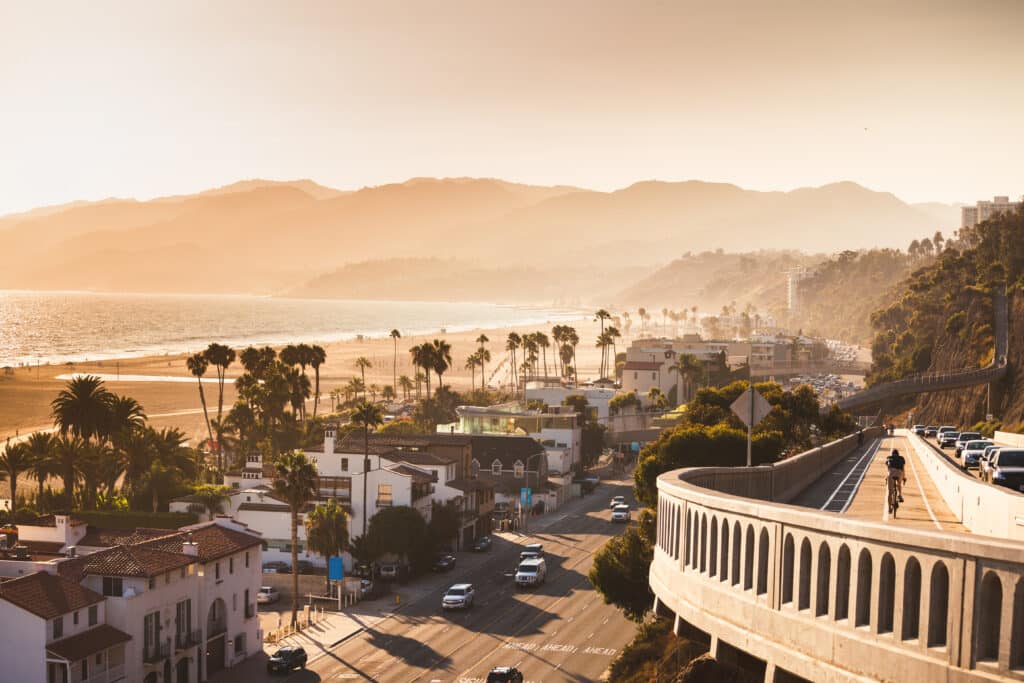
The Westside and greater Los Angeles don’t have one climate or one type of building. Santa Monica is shaped by cooler coastal air, higher humidity, and salt exposure. Farther inland, Beverly Hills includes hillside homes, remodeled properties, and larger custom residences. West Hollywood brings older buildings, apartment systems, dense lots, and tighter equipment access.
Those differences affect how HVAC systems should be approached. The right solution for a coastal bungalow may not be right for a multilevel hillside home, an older apartment building, or a commercial property in the city.
- MILD DOESN’T MEAN SIMPLE
How Coastal Conditions Affect HVAC Systems
Coastal temperatures are generally milder than temperatures in the Valley, but humidity changes what an air-conditioning system has to do. It isn’t only cooling the air — it also has to remove moisture from it.
01
System Sizing
Coastal humidity adds another consideration when it comes to system sizing. An oversized system may cool the home quickly and shut off before it has run long enough to remove enough moisture, leaving the home cool but still damp.
02
Condensate Drainage
The more moisture the system removes, the more water must drain away. That makes proper installation and regular maintenance of the drain pan and condensate line especially important. If the water doesn’t drain properly, it can back up or overflow, contribute to corrosion of the drain pan and evaporator coil, and potentially damage the home.
03
Salt-Air Exposure
Salt air accelerates corrosion on outdoor coils, electrical connections, and exposed metal components. The closer the equipment is to the ocean, the greater the exposure and the faster that corrosion can develop. Equipment placement, protective coatings, and regular inspection become increasingly important closer to the ocean.
- THE PROPERTY CHANGES THE JOB
The Right HVAC Approach Depends on the Building
Many older homes across the Westside weren’t originally built with central air. Systems were often added during later remodels, leaving limited space for ductwork, returns, and indoor equipment.
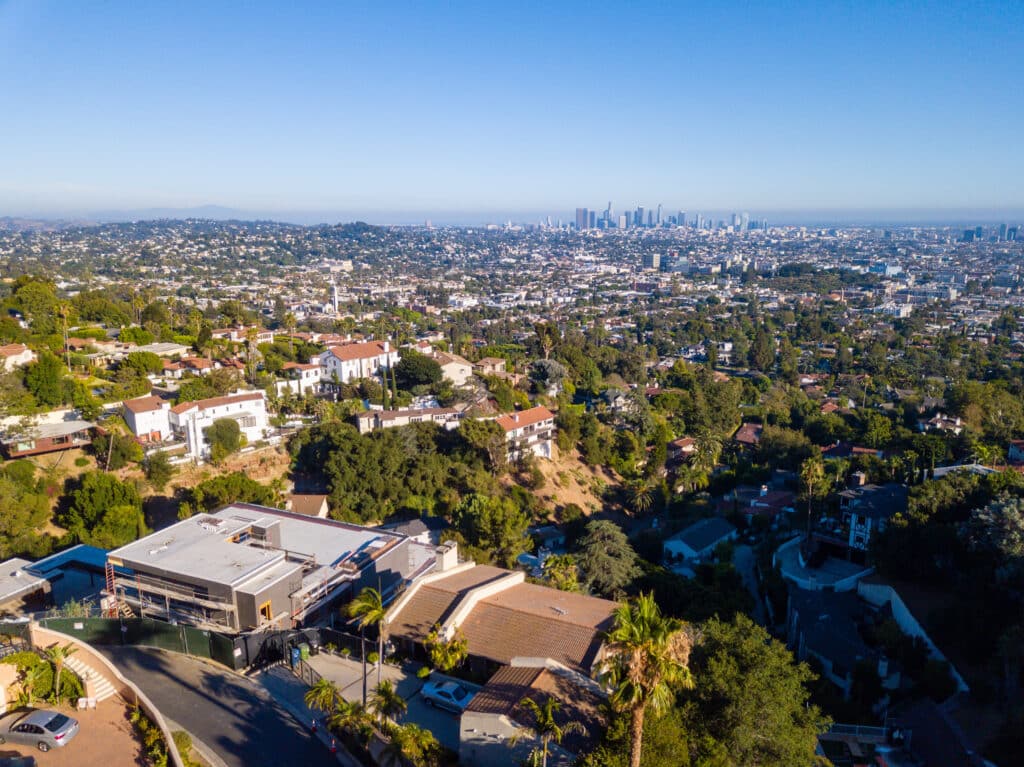
Hillside homes bring their own complexity. Long duct runs, difficult equipment access, and different temperatures from one floor to another all affect how the system should be designed and installed.
Apartment buildings and commercial properties bring their own considerations, including rooftop equipment, dense lots, limited access, and existing systems that have often been modified over time.
Before recommending any work, we look at the building, the existing system, and how the property is actually used. The right HVAC solution should fit the building—not the other way around.
- WHAT WE HANDLE
HVAC Services Across the Westside & Greater Los Angeles
We work on homes, apartment buildings, and commercial properties throughout the area.
- WHERE WE WORK
Cities and Communities We Serve
Whether it’s a coastal home in Santa Monica, a hillside property in Pacific Palisades, a larger remodeled home in Brentwood, or an older building in Hollywood, we understand how much conditions can change from one part of Los Angeles to another.
Service Areas
Why Westside & Greater Los Angeles Property Owners Choose Hoffman
We got our start in the Fairfax District in 1981, and we’ve been working across the Westside and greater Los Angeles ever since. We understand how quickly conditions can change from one neighborhood to the next, and why the right HVAC approach changes with them.
That’s why we don’t start with a recommendation. We start by understanding the home.
HVAC on the Westside & Greater Los Angeles FAQ
How does salt air affect outdoor HVAC equipment?
Salt carried in coastal air can accelerate corrosion on condenser coils, electrical connections, and exposed metal components. The closer the equipment is to the ocean, the more aggressive the corrosion can be. Depending on the location, corrosion-resistant coatings, thoughtful equipment placement, and closer inspection may be appropriate.
What HVAC systems work well in hillside homes?
It depends on the house. Multilevel hillside homes can have uneven heat loads, long or difficult duct routes, and limited equipment access. Some benefit from zoning, while mini-splits may be useful where conventional ductwork isn’t practical. The system should be selected around the building rather than assumed from its square footage alone.
Are wall heaters, floor furnaces, and gravity furnaces still common on the Westside?
Yes. Many older homes across the Westside and Greater Los Angeles still have wall heaters, floor furnaces, or gravity furnaces. These systems can often be repaired or retrofitted depending on their condition. Age alone doesn’t make a heating system unsafe, but if it hasn’t been inspected recently, it’s worth having it checked before relying on it through the winter.
Is HVAC different on the Westside compared to the Valley?
Yes. Coastal areas generally have milder temperatures and higher humidity, while the Valley experiences longer periods of sustained heat. Westside systems may run less often, but humidity, condensate drainage, and salt air can create concerns that are less pronounced farther inland.
Do Westside homes need air conditioning?
Yes, many do. Cooling needs can change considerably over a relatively short distance. A home close to the ocean may need less cooling than a home farther inland in Brentwood, Beverly Hills, or central Los Angeles. The building’s orientation, insulation, windows, layout, and the occupants’ comfort preferences also matter.
How does coastal humidity affect an air-conditioning system?
An air conditioner removes moisture while it cools. If the system is oversized, it may cool the home and shut off before it has run long enough to remove enough humidity. Humid conditions also produce more condensate, making proper drain-pan and condensate-line installation and maintenance especially important.