Heating Replacement & Installation in Los Angeles
When the Furnace Has Run Its Course
- WHEN REPAIR ISN'T ENOUGH
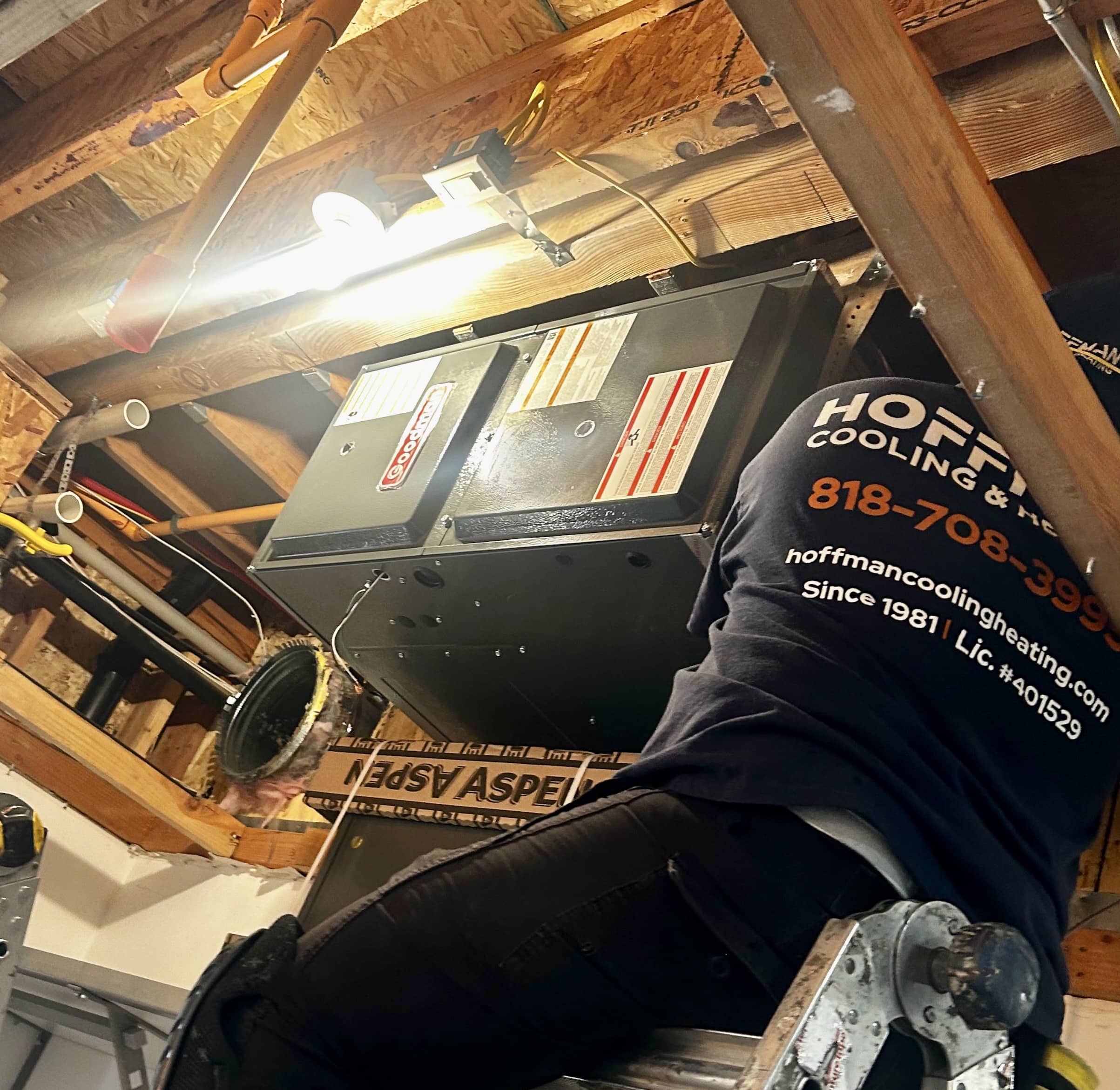
When Heating Replacement Makes Sense
Gas furnaces usually don’t fail all at once. Most decline gradually — repairs stop lasting, rooms never feel as comfortable, and the system struggles to keep up when temperatures drop.
At some point, putting more money into the system stops making sense and replacement becomes the better option. In Los Angeles, that moment catches a lot of homeowners off guard because heating systems sit unused for most of the year. A furnace that seemed fine last winter suddenly won’t respond when the first cold stretch hits.
- HOW WE DECIDE
What We Look At Before Recommending Replacement
01
Age of the Equipment
A furnace past 15 years old may be dealing with declining efficiency and worn components. Age alone doesn’t mean it needs to be replaced, but it matters when deciding how much more to put into it.
02
What the Repair Actually Costs
A repair doesn’t have to cost as much as a replacement before it stops making sense. Sometimes replacing one expensive part still leaves you with an old furnace and aging components that may need attention later.
03
How the Home Is Being Used Today
Additions, garage conversions, and airflow problems can leave an older system struggling to keep up with the home as it exists today. We factor that in before making a recommendation.
- THE DOWNSIDE OF MILD WINTERS
Why Los Angeles Furnaces Fail When You Need Them Most
Los Angeles furnaces fail differently than systems in colder climates because they spend most of the year sitting idle. Small problems can go unnoticed until the first cold stretch puts the system back to work.
That’s why we often find issues like failing igniters, sticking gas valves, or cracked heat exchangers right when homeowners start using the heat again.
- THE INSTALL DETERMINES PERFORMANCE
WHAT GOES INTO A PROPER FURNACE REPLACEMENT
Swapping equipment is the easy part. How the new system performs depends largely on what happens before the equipment gets ordered.
That means understanding what the existing system isn’t doing right and looking at the full system, not just the furnace being replaced.
01
Sized for the Home, Not Just the Square Footage
We size the system for the home. Insulation, ceiling height, window exposure, and how the home retains heat all matter. A furnace that’s too large turns on and off too often and can heat unevenly. One that’s too small may struggle to keep up.
02
DUCTWORK THAT CAN SUPPORT THE NEW SYSTEM
A new furnace installed into an undersized or deteriorated duct system will underperform regardless of the equipment. Many Valley homes built in the ’50s and ’60s had ductwork added later, and it wasn’t always designed for the system that’s there today.
03
GAS & ELECTRICAL REQUIREMENTS
Older homes don’t always have the gas supply or electrical requirements in place for newer equipment. We check both before the equipment is ordered so any issues can be addressed before installation.
- THE RIGHT FURNACE FOR YOUR HOME
HIGH-EFFICIENCY FURNACES — IS IT WORTH IT IN LA?
Higher efficiency isn’t automatically the better choice for every home. In Los Angeles, where furnaces run less than they do in colder climates, the question isn’t simply which furnace is most efficient. The added efficiency has to make sense for the home.
WHAT MAKES A FURNACE HIGH EFFICIENCY
- Furnace efficiency is measured by how much of the fuel it uses is converted into heat for the home. High-efficiency furnaces convert more of that fuel into usable heat, so less energy is wasted. That means less gas is needed to produce the same amount of heat.
WHEN HIGH EFFICIENCY MAKES SENSE
- The energy savings matter, but so do the added cost, venting modifications the home may require, available rebates and how long you plan to stay in the home. In some homes, the added efficiency is worth it. In others, a less expensive furnace may make more sense.
WE LOOK AT THE WHOLE PICTURE
- We don't recommend a furnace based on the efficiency rating alone. We look at the home, the existing system, and what the installation requires, then explain the options and where we think the added cost is — or isn't — worth it.
- GOING ELECTRIC
What About Heat Pumps?
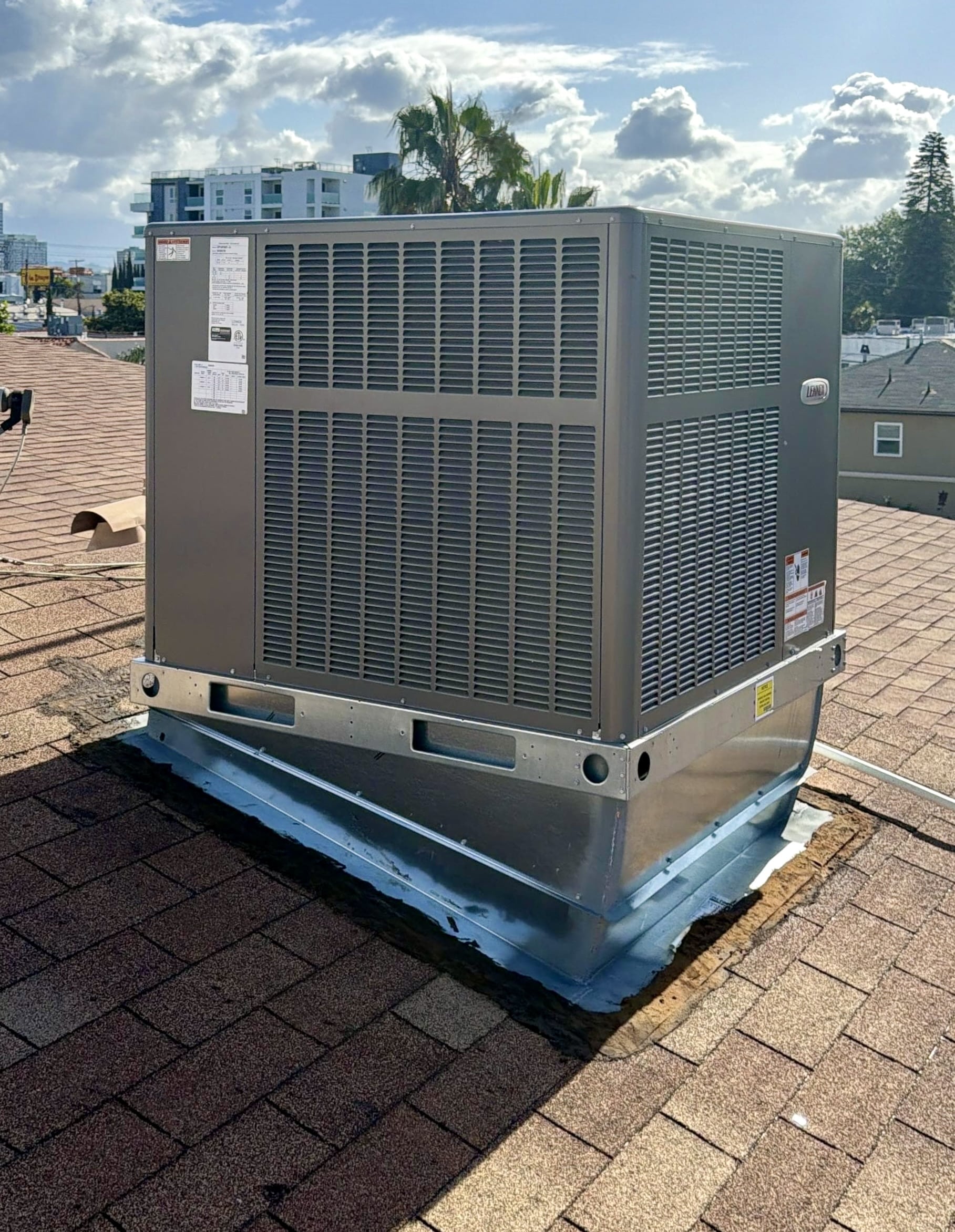
If you’re replacing both heating and cooling at the same time, a heat pump is worth looking into. Instead of separate heating and cooling systems, one all-electric heat pump handles both.
That said, a heat pump isn’t always the right answer. If you’re only replacing the furnace, or the electrical panel can’t support a heat pump without upgrades, a furnace replacement may make more sense.
We’ll look at the house, the existing equipment, and the electrical setup before recommending the option that makes the most sense.
- A FASTER PATH TO COMPLETION
PERMITS AND INSPECTIONS FOR FURNACE REPLACEMENT
Most furnace replacements in Los Angeles require a permit and a city inspection. Through the City of Los Angeles Department of Building and Safety’s Certified Licensed Contractor (CLC) program, we’re certified to inspect and sign off on qualifying HVAC replacements for single-family, detached homes.
For qualifying replacements, we use the City’s CLC program instead of the traditional permit and inspection process. Because we’re authorized to self-certify our work, the project can be completed and closed out without waiting for a city inspector.
The CLC program isn’t a shortcut — the work still has to meet all city code requirements. If a project falls outside the program’s scope and requires a standard city inspection, we’ll handle that process too.
- BUILDING WHAT WAS NEVER THERE
Installing Central Heat for the First Time
Many older Los Angeles homes were never designed around central heating. Installing it for the first time isn’t just about adding equipment — it often means adding the ductwork, electrical, and other system components the home never had.
As a licensed C-20 HVAC contractor and general contractor, we understand how an HVAC system ties into the rest of the home. That might mean verifying electrical requirements, planning duct routing around existing framing, or identifying structural conditions that affect the installation or performance of the system. We know where those issues usually show up and can plan for them before the job begins.
Why Homeowners Call Hoffman for Heating Replacement
Replacing a heating system isn’t just about swapping equipment. Ductwork, airflow, and the home’s layout all affect how the new system performs.
We know how these homes are built and what it takes to get the system performing the way it should.
Heating Replacement & Installation FAQ
Can an oversized furnace make a house less comfortable?
Yes. An oversized furnace heats the space so quickly it satisfies the thermostat before the air has circulated evenly — then shuts off. The result is temperature swings, cold spots, and equipment that turns on and off too frequently, adding extra wear to the system. Bigger isn’t better. Sizing the system correctly for the home is what actually delivers consistent comfort.
Should I replace just the furnace or the whole system at once?
If the AC is also aging, replacing both at the same time often makes sense. You save on labor, the new equipment is designed to work together, and you avoid another major replacement a few years later. If the AC is still in good shape, replacing just the furnace is usually the better choice. Either way, it’s worth evaluating the duct system first. Even new equipment won’t perform the way it should if it’s installed on a compromised duct system.
Are there incentives for replacing an old heating system in California?
Yes. Eligibility depends on the equipment, your utility provider, and current program requirements. In Los Angeles, homeowners may qualify for rebates or other incentives through utility or statewide programs, depending on the project.
Rebate programs, funding, and eligibility change regularly — see our Rebates & Incentives page for what’s currently available.
How much does heating system replacement cost in Los Angeles?
Heating system replacement cost in Los Angeles varies based on the type of system, the size of the home, ductwork condition, and whether electrical or gas line work is needed. Rebates on qualifying systems can offset some of the cost. We look at the home and existing system before putting together a price so you know what the job actually needs.
What type of heating system is best for Los Angeles homes?
The best heating system for a Los Angeles home depends on the house and the existing setup. For homes with existing ductwork and a gas connection, a furnace is often the most straightforward option. For homeowners looking to move away from gas, a heat pump can provide both heating and cooling in one all-electric system. Homes without ductwork are often well suited for mini-splits.
What's the difference between a furnace, a heat pump, and a mini-split for heating?
A furnace burns gas to generate heat and moves it through ductwork. A heat pump moves heat from outside air into the home using electricity — no combustion. A mini-split is a ductless heat pump that delivers heating and cooling directly to individual rooms. In LA’s mild winters, both heat pumps and mini-splits perform efficiently because there’s enough warmth in the outside air to work with even on cold nights.
What's the difference between standard and high-efficiency furnaces — and does it matter in LA?
High-efficiency furnaces use less gas and cost less to operate over time. In Los Angeles, fuel savings are only one part of the decision. The right furnace also depends on how the home is vented, what fits the installation, available rebates, and your long-term plans. We’ll recommend the option that’s the best fit for your home.
Thinking About Replacing Your Heating System?
Whether you’re weighing repair against replacement, planning ahead for next winter, or dealing with a system that’s already stopped responding — we’ll take a look and talk to you about what makes sense.