Residential HVAC Maintenance in Los Angeles
The Visit That Prevents the Emergency Call
- PREVENTIVE MAINTENANCE
Catching Small Problems Before They Become Emergencies
Most HVAC problems don’t start as emergencies. They start as small things — a component wearing down, coils that haven’t been cleaned in years, refrigerant that’s been low since the last service. By the time something stops working, it’s usually been heading that way for a while.
Regular maintenance gives us a chance to catch problems before you feel them. Small problems get handled on your schedule instead of becoming emergencies when you need the system most.
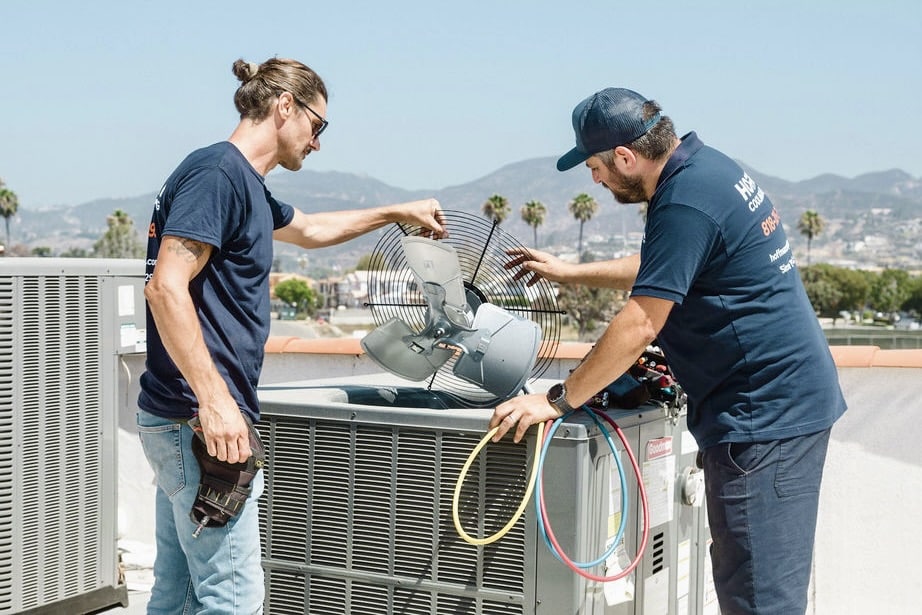
- LONG IDLE PERIODS. SUDDEN DEMAND.
Why Maintenance Matters in Los Angeles
LA’s climate creates a pattern that’s hard on HVAC systems in ways that aren’t always obvious. Cooling systems often run hard for months, then sit mostly idle through winter. Heating systems get used for a few cold weeks, then sit dormant until next season.
Early signs of wear often go unnoticed while the system sits unused. The first hot or cold spell is when they finally show up. A capacitor that’s weakening won’t fail during the off-season — it fails on the first hot day in June when the AC comes back on after months of not running. A furnace igniter that’s wearing out won’t announce itself until November, when it’s asked to perform for the first time since February.
Regular maintenance breaks that cycle. Problems that would have shown up as emergencies get caught and handled on your schedule instead of ours.
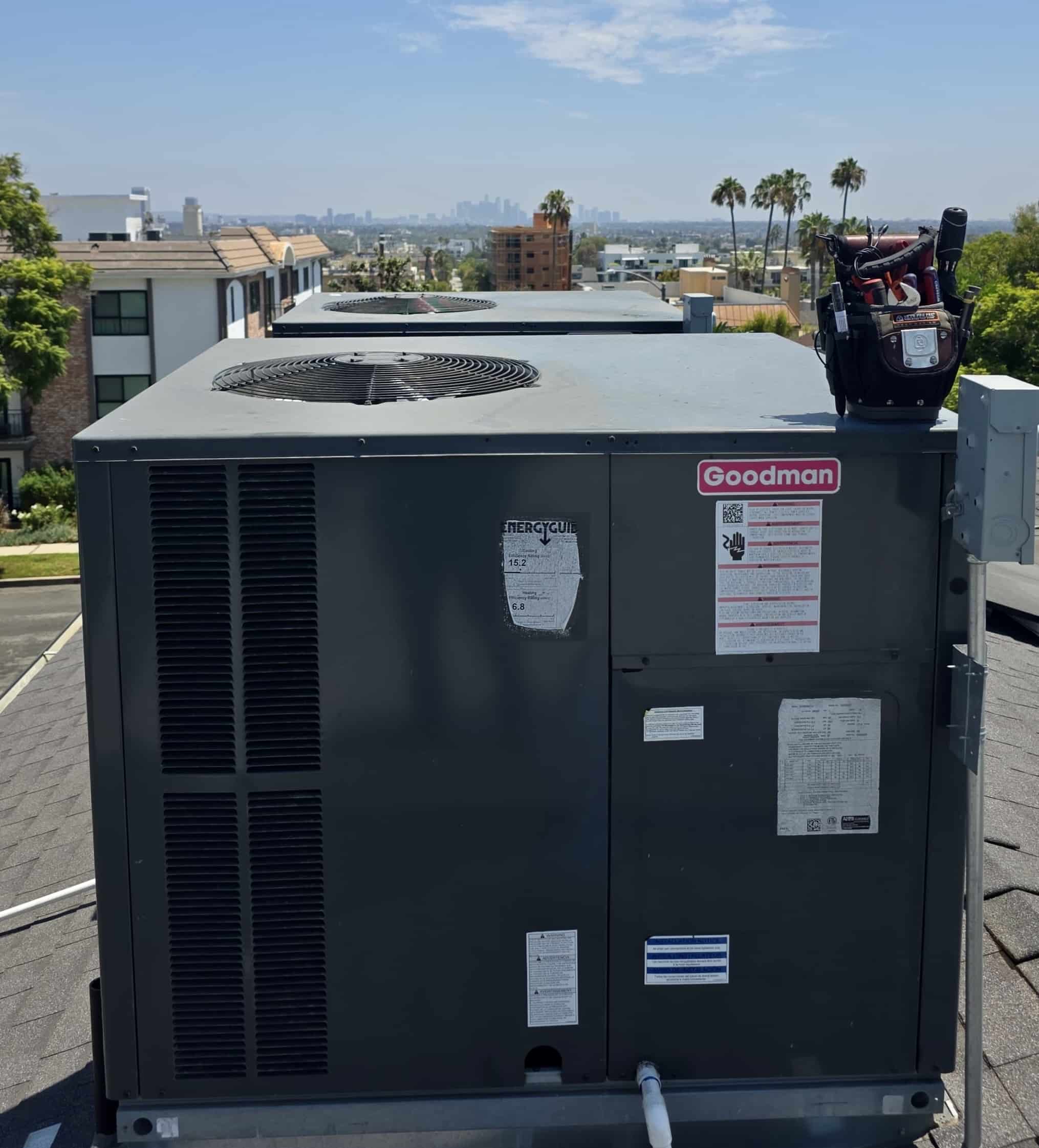
- TIMING & FREQUENCY
When to Get Your System Serviced
How often you service your system matters more than when. The type of system you have can affect how often it should be serviced, but if it’s been more than a year since your system was last looked at, don’t wait until next spring. Changes in performance can also be a reason to call sooner.
01
AC & FURNACE MAINTENANCE
Spring and fall are the ideal times — a visit before the cooling season and another before the heating season means each system is checked right before it’s put to work.
02
HEAT PUMP MAINTENANCE
The right frequency depends on whether you’re changing your own filters regularly. If you are, one annual visit is usually enough. If not, twice a year is the better call — filters that go unchanged affect performance and put extra wear on the equipment regardless of system type.
03
WHEN TO CALL SOONER
If the system’s running longer than usual, a room that used to be comfortable no longer is, or the bills don’t match what you’d expect — that’s reason enough to call, regardless of the season.
- WHAT WE LOOK AT
What's Included in a Maintenance Visit
No matter the season, we look at how the full system is operating — not just whether the equipment turns on.
In LA, cooling systems run hard for months, while heating systems sit idle until they’re suddenly needed. Both patterns let small problems go unnoticed until you need the system most. That’s exactly what a maintenance visit is meant to catch.
When we leave, your system is ready for the season ahead.
01
Full System Check
We go through the system the same way every visit: checking the components most likely to fail under heavy use, cleaning what needs cleaning, and making sure the system is responding the way it should.
02
Airflow, Electrical & Safety Systems
We verify airflow, inspect electrical connections, and check safety controls — the things that don’t always show symptoms until they’ve already caused a problem.
03
Heat Pump Systems
On heat pump systems, we also check the components that allow the system to switch modes and operate properly in heating — not just cooling.
- WHAT REPEAT VISITS REVEAL
READING THE SYSTEM OVER TIME
A good maintenance visit isn’t just about how the system is running today. It’s about understanding how it’s changing — and recognizing when something’s starting to head in the wrong direction.
WHAT WE LOOK FOR
- A capacitor that's within spec but trending toward failure
- Coils that are clean enough but showing early signs of corrosion
- An igniter with more wear than it should have for the age of the equipment
- Small changes that aren't repair items yet — but tell us where the system is heading
WHAT CHANGES OVER TIME
- Components that were fine last visit but have since shifted
- Buildup on coils or components that's increased since the last visit
- Changes in system performance since the last visit
- Wear patterns that only show up when you're comparing visit to visit
Why the Same Team Matters
- We know what it looked like last time. We can see what changed — and we catch problems before they become breakdowns. That's what repeat visits make possible.
- FLEXIBLE SCHEDULING
Recurring Maintenance — No Contracts
Some homeowners prefer having maintenance scheduled automatically so they don’t have to think about it every year. We can put your system on a recurring maintenance schedule and reach out when it’s time for the next visit.
There’s no contract or long-term commitment. If you want regular maintenance, we’ll keep you on the schedule. If you want to stop, that’s fine too.
We tailor maintenance frequency to the equipment and how the home is being used. We’ll explain what makes sense for your system and let you decide from there.
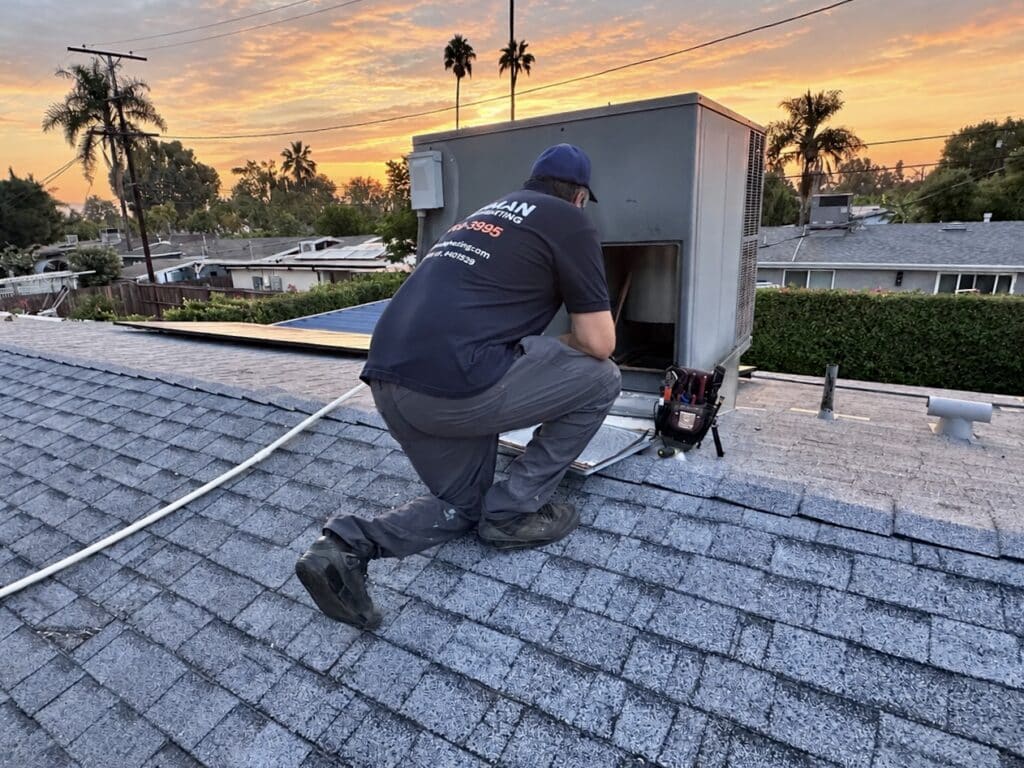
Why Homeowners Call Hoffman for Maintenance
A maintenance visit isn’t worth much if it stops at changing filters and leaving.
We look at how the system is running, what’s changed since the last visit, and whether anything looks like it’s heading in the wrong direction. If we find something, we’ll show you what we found, explain what it means, and tell you what’s worth fixing now versus what can wait.
Maintenance FAQ
Can I schedule a one-time HVAC maintenance visit without signing up for recurring service?
Yes. We do one-time maintenance visits all the time. Some homeowners like being on a recurring maintenance schedule so they don’t have to think about it each year, while others just call when they feel it’s time to have the system checked out.
Either way is fine with us. There are no contracts, and we’re not going to pressure you into signing up for anything.
Can a dirty filter damage my HVAC system?
Yes. A dirty filter restricts airflow, which makes the system work harder than it should. Over time, that extra strain can lead to frozen AC coils, overheating furnaces, weak airflow at the vents, and parts wearing out earlier than they should.
We see it all the time in Los Angeles homes, especially during long stretches of hot weather when systems are already working hard. Sometimes homeowners think the equipment itself failed when the bigger issue started with restricted airflow. That’s one reason we look at the full system during every maintenance visit, not just the equipment itself.
Can HVAC systems wear out faster in Los Angeles?
Yes. HVAC systems in Los Angeles can wear out faster when they run for long stretches during hot weather, especially in the Valley. Older homes can add to the strain: restricted airflow, aging ductwork, attic heat, and dust buildup all make the system work harder than it should.
That doesn’t mean a system can’t last a long time here. Many HVAC systems can last 15 years or more, depending on the type of equipment, how hard it runs, and how well it’s maintained.
How do I know if my HVAC system needs maintenance?
Higher energy bills, longer run times, uneven comfort, strange smells, or unusual noises can all be signs that your HVAC system needs attention. But some systems don’t give much warning before problems show up.
If your HVAC system hasn’t been serviced in over a year, it’s usually time to have it checked.
Is HVAC maintenance worth it if my system seems to be working fine?
Yes. Many breakdowns start as smaller problems that go unnoticed — weak electrical components, dirty coils, airflow restrictions, or low refrigerant. Catching those early is usually cheaper than dealing with a major repair during a heat wave.
Maintenance doesn’t prevent every breakdown, but it gives you a much better chance of finding problems before they become emergencies. We see systems every summer with problems that could’ve been avoided with basic upkeep.
What happens if I skip HVAC maintenance for a few years?
Skipping HVAC maintenance can allow dirt, wear, and smaller problems to build up unnoticed. Coils can get dirty, drain lines can clog, electrical components can weaken, and airflow problems can put additional stress on the equipment.
In Los Angeles, where HVAC systems can run hard for long stretches, that wear adds up. By the time a homeowner notices a problem, the repair can be bigger and more expensive than it would’ve been if the issue had been caught earlier.
What's included in an HVAC maintenance visit?
We inspect the parts most likely to wear down and the things that affect performance most — electrical components, refrigerant levels, coils, airflow, drains, filters, and overall system operation. On heating systems, we also check the heat exchanger and safety controls. We look over accessible duct connections and let you know if we see anything that needs attention.
Want to Get Ahead of the Next Problem?
Whether it’s been a year since your last service or a lot longer, we’ll take a look and let you know how everything is running.
If we find something that needs attention, we’ll tell you before it turns into an emergency call.