Duct Sealing in Los Angeles
When Air Doesn’t Go Where It’s Supposed To
- AIR THAT NEVER ARRIVES
How Leaky Ductwork Wastes Conditioned Air
Most homeowners assume the air their HVAC system produces gets delivered to the rooms it’s supposed to reach. Ideally, it should. In a lot of Los Angeles homes — particularly the older ones — that’s not what’s happening. Ducts develop gaps, loose joints, and small separations over time. Heated or cooled air leaks into attics, wall cavities, and crawl spaces before it ever reaches the rooms below. The system runs longer, the energy bills add up, and the house still doesn’t feel right.
When conditioned air is leaking into the attic instead of the house, the system works harder while the rooms still struggle to stay comfortable. We track down the leaks, seal the ductwork properly, and make sure the air is getting where it’s supposed to go.
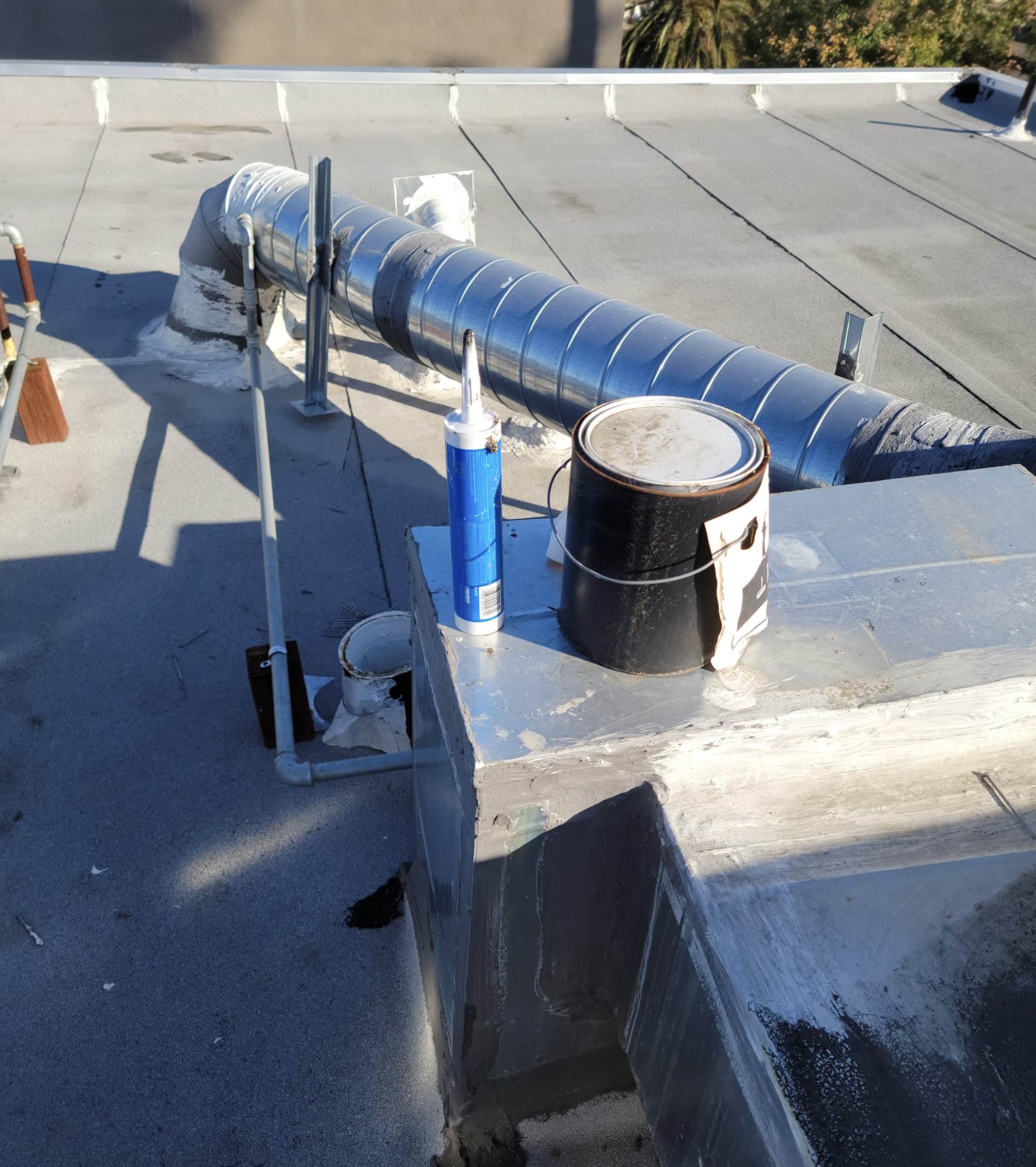
- HOW LEAKS DEVELOP
Why Ducts Leak
Duct leaks rarely happen overnight. They usually develop over time and can go unnoticed for years, allowing conditioned air to escape before it ever reaches the living space.
01
Poor Original Installation
Some duct systems were never properly sealed from the start. Gaps can be left at joints and connections during installation, creating leaks from day one.
02
Years of Wear and Tear
Over time, seals can break down and connections can loosen, creating gaps where sections of ductwork come together.
03
Remodels and Repairs
Ductwork may be extended, rerouted, or reconnected during remodels and repairs. If those new connections aren’t properly sealed, they can become a source of air leakage.
- RESTORE AIRFLOW. RESTORE COMFORT.
What Duct Sealing Does
Sealing the duct system closes the gaps and joints where conditioned air is escaping. The system is already heating or cooling the air—duct sealing helps more of it reach the rooms it’s supposed to serve.
01
Find the Leaks
We inspect the duct system for loose connections, separated joints, and areas where heated or cooled air is escaping before it reaches your living spaces.
02
Seal the Problem Areas
Depending on what the job calls for, we use mastic sealant or UL-rated tape. Mastic stays flexible and holds up in attic heat, while UL-rated tape provides a durable seal on flexible and metal ductwork.
03
Improve Comfort & Efficiency
With less conditioned air being lost, more of it reaches the rooms the system is supposed to serve. Rooms can hold temperature more consistently, and the system may not need to run as long to keep up with demand.
- REDUCING ENERGY WASTE
Duct Sealing & Energy Savings
In Los Angeles, and in the Valley in particular, HVAC systems can run hard for months at a time. When conditioned air is lost through leaking ductwork, the system may need to run longer to maintain temperature, and that wasted energy can add up.
Less Conditioned Air Lost
Sealing leaks means more conditioned air reaches the rooms it's supposed to serve. When the system delivers air more efficiently, it doesn't have to run as long to keep up.
Reduced HVAC Runtime
Less runtime can mean less energy spent heating or cooling air that never reaches the living space, reducing unnecessary energy use and operating costs.
Lower Energy Waste
If duct leakage is contributing to uneven temperatures, sealing those leaks can help more conditioned air reach the rooms that need it and make temperatures more consistent throughout the home.
How much energy duct sealing can save depends on how much air the system was losing to begin with. Homes with more significant leakage generally have more room for improvement.
- FINDING THE LEAKS
How We Find It
Finding duct leakage means getting into the attic, crawl space, or mechanical room and looking at the system — where the joints are, how they’re connected, and where the gaps are. You can feel significant leakage with your hand near a running system. For smaller leaks, a pressure test helps show what’s escaping and roughly where it’s happening. For larger leaks, airflow problems are usually obvious once we inspect the system.
Once we know what we’re dealing with, we seal what’s accessible. Mastic on flexible joints that move with temperature changes. Metal tape on rigid metal connections. When duct sealing makes sense as part of a larger duct replacement, air conditioning replacement, or heating system upgrade, we handle it while the work is already being done.
- WHEN SEALING ISN'T ENOUGH
Duct Sealing or Duct Replacement?
The right solution depends on the condition of the ductwork. Some systems simply need leaks sealed, while others have deeper issues that make replacement the more effective long-term option.
WHEN DUCT SEALING MAKES SENSE
- The ductwork is structurally sound
- Air is leaking through joints and connections
- Comfort issues are caused by air loss
- The existing layout still serves the home effectively
WHEN DUCT REPLACEMENT MAY MAKE MORE SENSE
- The ductwork is deteriorating throughout
- The ductwork is undersized for the current equipment
- Airflow problems stem from the duct layout
- Past remodels or modifications created problems throughout the system
WE LOOK AT THE FULL PICTURE
- Sealing can solve air loss, but it can't correct ductwork that's deteriorated, undersized, or poorly laid out. In older Los Angeles homes, we sometimes find duct systems designed around equipment from decades ago — sealing may reduce leakage, but it won't fix those underlying problems. We look at the condition, sizing, layout, and performance of the entire duct system. If sealing makes sense, we'll tell you. If replacement is the better long-term answer, we'll explain why.
Why Homeowners Call Hoffman for Duct Sealing
Leaky ductwork wastes airflow, pulls in attic dust, and makes systems work harder than they should. Proper sealing improves both comfort and efficiency.
We assess the full system before recommending anything, because sealing only helps if leakage is actually the problem. If duct sealing is the right fix, we do it with the right materials and make sure the air goes where it’s supposed to.
Duct Sealing FAQ
How do I know if my ducts are leaking?
Rooms that won’t reach the set temperature, unusually high energy bills, and a system that runs constantly without keeping up can all be signs of leaking ductwork.
In older LA homes, it’s not unusual to find conditioned air leaking into the attic instead of reaching the living space. The system appears to be working, but some of the air you’re paying to heat or cool never makes it to the rooms it’s supposed to.
A pressure test can measure how much air the duct system is losing, but bigger airflow problems are usually obvious once we inspect the system.
What's the difference between duct sealing and duct repair?
Duct repair addresses physical damage — collapsed sections, disconnected joints, crushed flex duct. Duct sealing addresses leakage — air escaping through gaps and loose connections throughout the system even when nothing appears visibly damaged.
Some homes need both. Sealing a system with a disconnected section won’t solve the airflow problem, and repairing one section without sealing the rest leaves most of the problem in place.
Will duct sealing help certain rooms cool better?
Usually, yes –especially for rooms at the end of long duct runs where airflow tends to drop off. When a system is leaking throughout, those rooms often suffer the most. Tightening the duct system restores pressure and improves airflow to the areas that need it.
Does duct sealing help with air quality?
It can. Leaky attic ducts pull in unconditioned air along with whatever’s up there — dust, insulation particles, debris. Sealing the ducts helps keep that stuff out of the system. For homes dealing with dust or air quality issues, duct sealing is often worth considering alongside filtration improvements.
Can I seal my ducts myself?
Accessible duct connections can be sealed with mastic or proper foil tape — reasonable DIY work if you can safely get into the attic or crawl space. The difference is knowing where leaks tend to hide, what gets missed, and when a problem is bigger than sealing alone.
If access is difficult or you’re not comfortable working in those spaces, it’s worth having it inspected professionally.
Is home duct cleaning worth it?
For most homes, no. If the duct system is properly sealed and filters are changed regularly, the inside of the ductwork typically doesn’t accumulate much.
If ductwork is heavily contaminated or deteriorating, replacement is usually the better long-term solution — assuming the ductwork is reasonably accessible.
Duct cleaning tends to make more sense in certain commercial settings where the systems are larger, the ductwork is harder to access, and specialized vacuum systems can be used effectively.
How long does duct sealing last?
Done properly with the right materials — mastic or quality foil tape — duct sealing should last 20 years or more. The key is sealing the ductwork correctly the first time so the connections hold up in a hot attic environment.
Find Out If Duct Leaks Are the Real Problem
If your system is running hard and the house still isn’t comfortable, the duct system is worth a look. We’ll assess what’s going on and tell you whether duct sealing is the right fix or if something else is causing the problem.