HEAT PUMP INSTALLATION & REPAIR IN Los Angeles
Heating & Cooling All in One
- EFFICIENT BY DESIGN
Heat Pumps: One System for Heating and Cooling
Heat pumps provide both heating and cooling in one all-electric system. Instead of using separate equipment for heating and air conditioning, one system handles both throughout the year.
For Los Angeles homes, where winters are relatively mild, heat pumps can be an efficient way to heat and cool the house throughout the year.
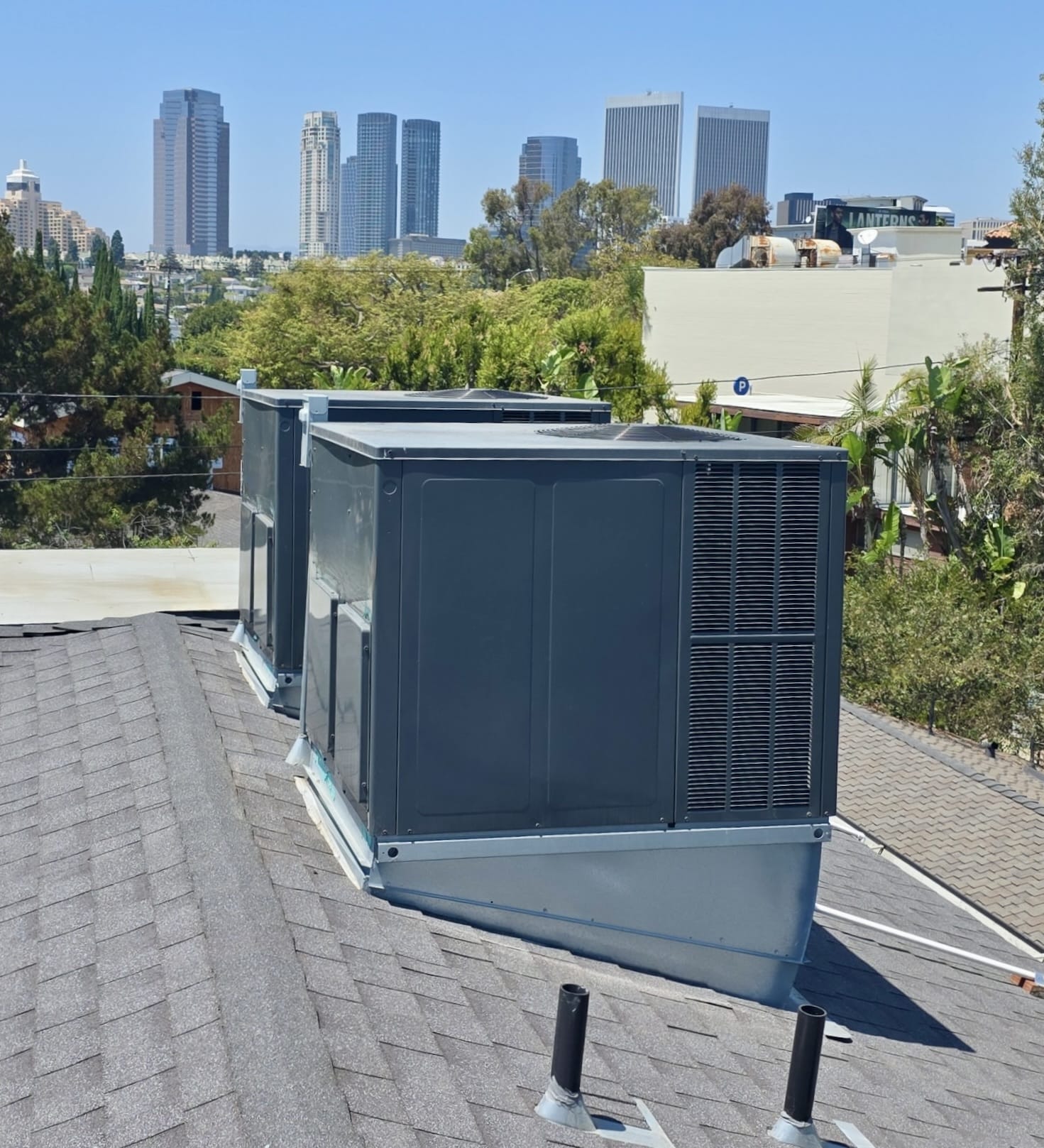
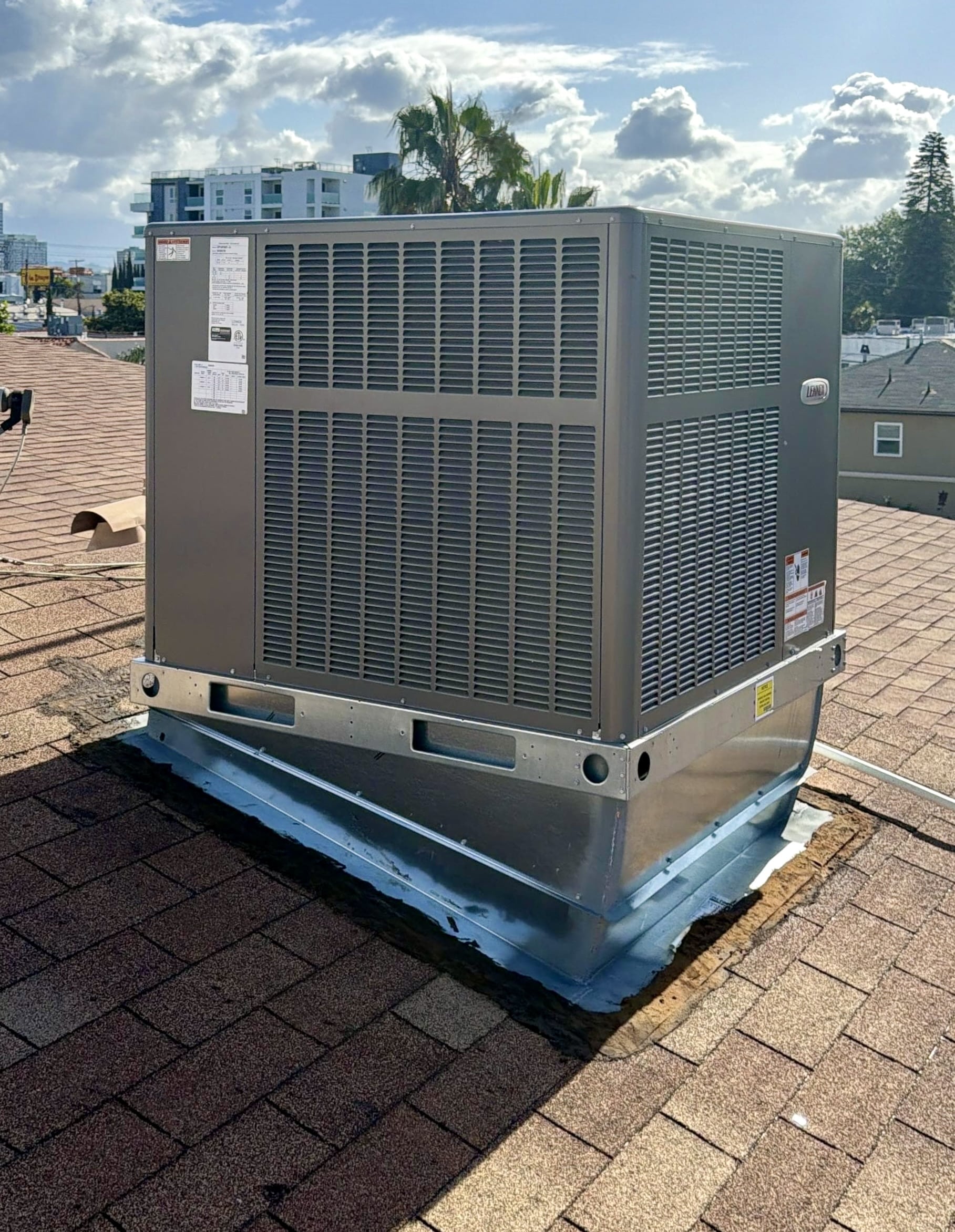
Heat pumps come in different configurations, including ducted split systems and package units. The key is choosing the right system for the home and installing it properly.
- MOVING HEAT, NOT MAKING IT
How Heat Pumps Work
A heat pump doesn’t generate heat — it moves it. In cooling mode, it works like a standard air conditioner, pulling heat out of your home. In heating mode, it reverses and extracts heat from outside air — even when it’s cold outside — before bringing it indoors. That’s what makes heat pumps efficient: you’re moving energy instead of burning fuel to create it.
In LA, where winter temperatures stay mild, heat pumps are a natural fit. They don’t have to work nearly as hard as they would in colder climates.
- WHEN GOING ELECTRIC FITS
IS A HEAT PUMP RIGHT FOR YOUR HOME?
A heat pump can be a great option, but it isn’t automatically the right choice for every home. We look at the house, the existing system, and what you’re trying to accomplish before recommending one.
01
WHEN A HEAT PUMP MAKES SENSE
If you’re replacing both your AC and furnace at the same time, want a single all-electric system, are building new, or doing a major remodel, a heat pump is worth a serious look. They can also qualify for utility rebates and energy incentives that can meaningfully offset the upfront cost.
02
WHEN IT MAY NOT BE THE RIGHT FIT
If switching to a heat pump would require major electrical upgrades, extensive ductwork changes, or other work that doesn’t make sense for the home, staying with a more traditional system may be the better option. The condition of the existing equipment and what you’re trying to accomplish also matter.
- THE EQUIPMENT IS ONLY HALF OF IT
Heat Pump Installation
A central ducted heat pump system serves the entire house, which means the design has to be right before any equipment gets ordered. We focus on proper load calculations and system sizing, ductwork that can handle the airflow demands of a heat pump, adequate electrical capacity, and properly matched equipment.
The result is a system that maintains even temperatures throughout the home and runs efficiently in both seasons.
- THE DIFFERENCE IS IN THE INSTALL
WHEN THE INSTALL IS DONE RIGHT
WHEN IT'S DONE RIGHT
- More even temperatures throughout the home
- Steady operation without frequent cycling
- Airflow that reaches the rooms the way it should
- Heating and cooling that keeps up with the home
WHEN IT'S DONE WRONG
- Callbacks and recurring issues
- Uneven room temperatures
- A system that struggles to maintain temperature
- Equipment that never performs the way it should
THE INSTALL IS WHAT MAKES THE DIFFERENCE
- Good equipment matters, but it can't make up for a poorly designed installation. How carefully the job is designed and installed determines how well the system performs over time. We treat the install as the job, not the last step of it.
- LOOKING FOR THE REAL CAUSE
HEAT PUMP REPAIR
Heat pump problems can come from different parts of the system, and the symptom doesn’t always tell you what’s causing it. We look at airflow, controls, ductwork, electrical components, refrigerant charge, and how the equipment operates under load. The goal is to find the actual cause, not just replace parts and hope for the best.
01
Heating & Cooling Performance
We diagnose and repair systems that won’t heat or cool properly, create uneven temperatures throughout the home, or run nonstop without reaching the set temperature.
02
DEFROST & CONTROL PROBLEMS
We troubleshoot defrost cycle failures, thermostat problems, communication faults, and control issues that affect how the system operates.
03
Ductwork & Airflow
In Los Angeles, heat pumps are sometimes connected to older duct systems that weren’t designed for modern high-efficiency equipment. Restrictive airflow, undersized returns, and aging ductwork can all affect how the system performs.
04
REFRIGERANT & ELECTRICAL
Low refrigerant, leaks, failing electrical components, and motor or capacitor problems can all affect heating and cooling. We test the system to determine what’s actually causing the problem before recommending the repair.
- THE RIGHT SYSTEM FOR YOU
Heat Pump vs. Furnace + AC — Which One Actually Fits Your Home?
There’s no one right answer. In Los Angeles, heat pumps make a lot of sense — one system for heating and cooling, efficient in our climate, and often eligible for rebates. They’re also the standard path for many new-construction projects under California’s current Title 24 energy standards. But that doesn’t automatically make them the right fit for every house. Depending on the home, a traditional furnace and AC setup can still make more sense.
What we look at: your existing ductwork, your electrical panel, how the home actually heats and cools, and what makes the most sense long-term. One thing worth knowing upfront — heat pumps require adequate electrical capacity. In older homes, that sometimes means a panel upgrade. We check that before anything gets ordered so there are no surprises later. We’ll give you our take on both options so you’re not guessing.
Why Los Angeles Homeowners Call Hoffman
Heat pumps are becoming more common across Los Angeles, but some homes are better candidates for them than others.
We look at the ductwork, airflow, electrical capacity, and how the system will actually be used before recommending anything. The equipment is only half of it — the design and installation are what make the system perform.
Heat Pump FAQ
Do heat pumps work well during Valley heat waves?
Yes. In cooling mode, a heat pump performs the same as a conventional AC. A properly sized system holds up well through Valley heat. Proper sizing matters here just as it does with any system — an undersized heat pump will struggle in a 110-degree stretch the same way an undersized AC would.
Are heat pumps a good fit for older Los Angeles homes?
It depends on the home. Older homes with decent ductwork can usually handle a ducted heat pump without major changes. Homes with poor airflow, aging duct systems, or no ductwork are often better served by a ductless mini-split heat pump. We look at the house before recommending anything.
What rebates are available for heat pump installation in California?
California homeowners may qualify for heat pump rebates through their utility provider and statewide programs. Eligibility and rebate amounts depend on the utility, location, and equipment being installed.
Rebate programs change frequently and funding can run out, so always confirm current program requirements before making a decision based on an available rebate.
How long does a heat pump last?
Most heat pumps last 10–15 years, depending on how hard they run and how well they’re maintained. Because they handle both heating and cooling, they typically log more hours throughout the year than a furnace. More runtime means more wear on the equipment over time.
Do heat pumps replace both AC and furnace?
Yes. A heat pump can replace both an air conditioner and a furnace, providing heating and cooling in one system. For homes replacing aging AC and heating equipment at the same time, a heat pump is often worth a serious look.
Do heat pumps work well in Southern California's climate?
Yes. Southern California’s climate is actually ideal for heat pumps. They work by moving heat rather than generating it, and they’re most efficient when outdoor temperatures stay above freezing — which describes this area almost every day of the year. Cooling works the same as a conventional AC system.
Do heat pumps still work when it's cold outside?
Yes. Modern heat pumps perform well down to temperatures LA never sees. Even on the coldest nights, a properly sized heat pump handles the load without issue. The concern about cold-weather performance is real in places like Chicago or Denver — it’s not a meaningful concern here.
Find Out If a Heat Pump Is Right for Your Home
If you’re planning a system replacement or looking for a more efficient setup, we’ll take a look, recommend what makes the most sense for your home, and install it right.