Wall Heaters, Floor Furnaces & Gravity Furnaces in Los Angeles
Many Companies Won’t Touch These Systems. We Do.
- OLD SYSTEMS. STILL SERVICED.
Repair, Service & Rebuilds for Wall Heaters, Floor & Gravity Furnaces
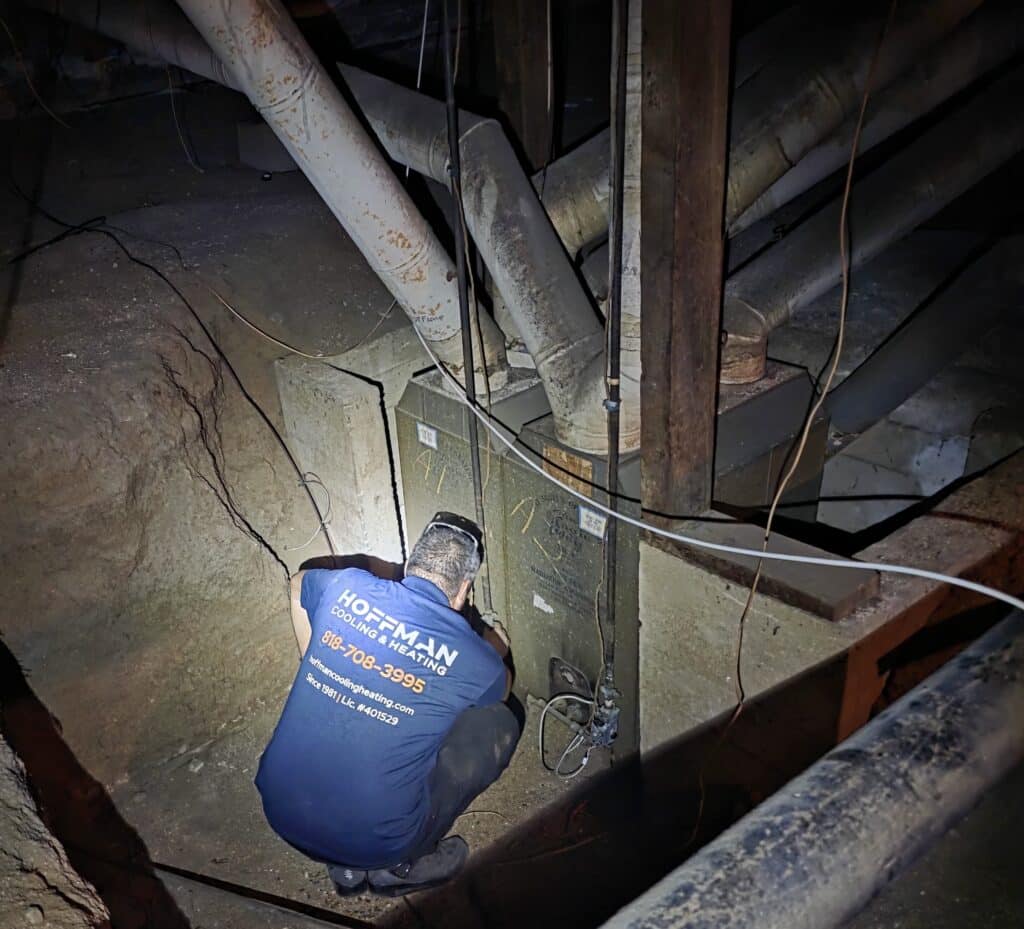
A lot of Los Angeles homes were built before central heating was standard. Instead, many homes were built with wall heaters, floor furnaces, and gravity furnaces — gas-fired systems that heated individual rooms or the whole house without ductwork or blowers. Decades later, a lot of them are still running.
Many HVAC companies won’t touch them. The parts are harder to find, and the work takes experience that most newer technicians haven’t had to learn.
We’ve been working on these systems since 1981. A lot of Los Angeles homes still rely on them, and we know how to service them when other contractors won’t. We stock parts for older units and can rebuild them when parts alone won’t do it.
- SYSTEM TYPES
Common Heating Systems in Older LA Homes
These systems were standard in LA homes for decades — and many are still doing their job well today.
01
Wall Heaters
Built into the wall — usually between two rooms — and heat the space directly without any ductwork. Common in LA apartments and homes built from the ’40s through the ’70s.
02
Floor Furnaces
Sit below the floor and deliver heat through a grate in the surface above. Standard in a lot of mid-century LA homes. Simple by design, and many still do their job quite well.
03
Gravity Furnaces
Heat the whole house without a blower — warm air rises naturally through floor vents while cooler air returns at the low points of the walls. Common in larger homes built before the 1950s. Quieter than forced-air systems and, when maintained, more capable than most people realize.
- COMMON PROBLEMS
What Goes Wrong — and What We Do About It
After 45 years of working on these systems, the problems we see are usually the same ones.
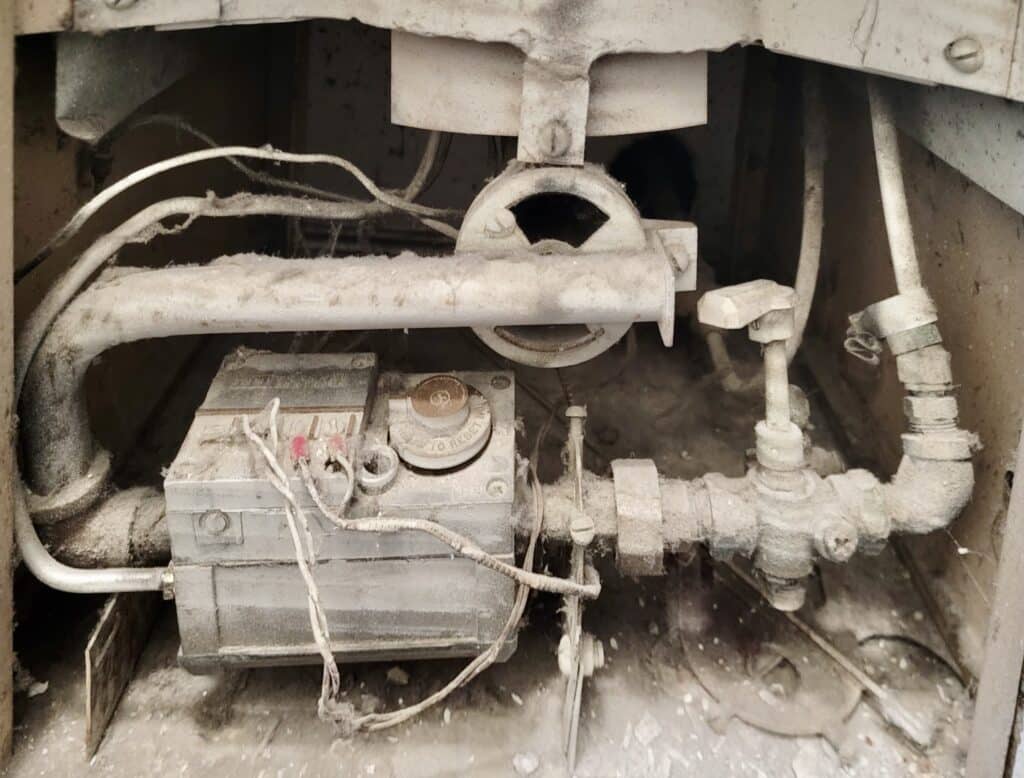
Pilot lights stop staying lit. Systems try to fire but won’t. Gas valves wear out after years of use. Pilot assemblies collect buildup after sitting untouched for years.
Most of the time, these are straightforward repairs when you know what you’re looking at and can still get the right parts.
Gravity furnaces can be a little different. On systems that have been running for decades, the heat exchanger often becomes part of the conversation.
- SAFETY
When an Older System Becomes a Concern
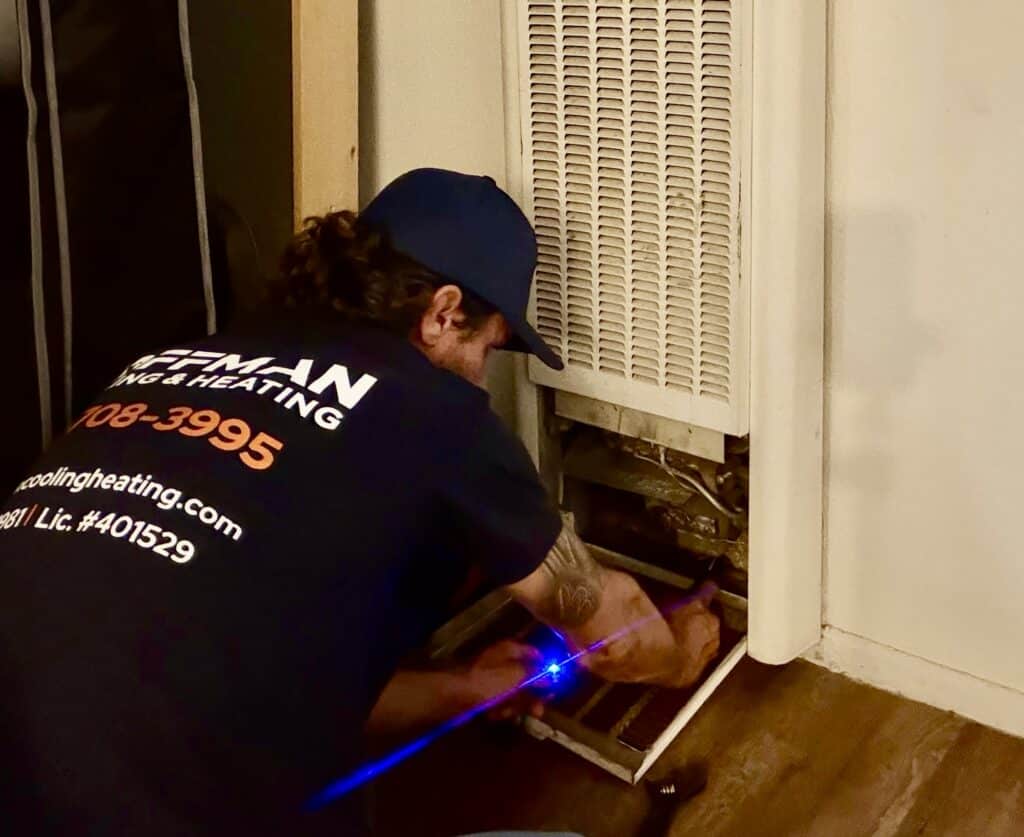
These are gas appliances, and like any gas appliance, they need to be taken seriously. A cracked heat exchanger on a gravity furnace or floor furnace isn’t just a performance issue — it can allow combustion gases, including carbon monoxide, into the living space. That’s why older systems are worth having inspected by someone who knows what they’re looking at.
We inspect heat exchangers when we service these systems. If there’s a crack, we’ll explain your options. In some cases, the heat exchanger can be repaired or replaced. In others, the system has reached the end of its usable life and replacement makes more sense.
We don’t manufacture urgency. But we don’t ignore problems either.
- EXPERIENCE MATTERS
WHY THESE SYSTEMS ARE HARD TO FIND SERVICE FOR
A lot of HVAC companies stopped working on them years ago. We didn’t.
01
It's Not Part of Most Training Today
Most HVAC training programs focus on modern forced-air equipment. Gravity furnaces, floor furnaces, and wall heaters receive little, if any, classroom instruction.
02
A Skill Learned in the Field
Servicing a gravity furnace or rebuilding a wall heater takes years of hands-on experience — knowing how they’re built, which parts typically fail, and where problems usually hide.
03
Parts Are Harder to Find
Some replacement parts haven’t been stocked by distributors for years. Servicing these systems often requires knowing where to source hard-to-find components—or how to safely adapt modern replacements when the original part is no longer available.
- MODERNIZING OLDER SYSTEMS
Retrofitting Older Systems
Not every older gas appliance needs to be replaced to perform better. Sometimes the unit itself is still sound, but the controls around it are limiting what it can do.
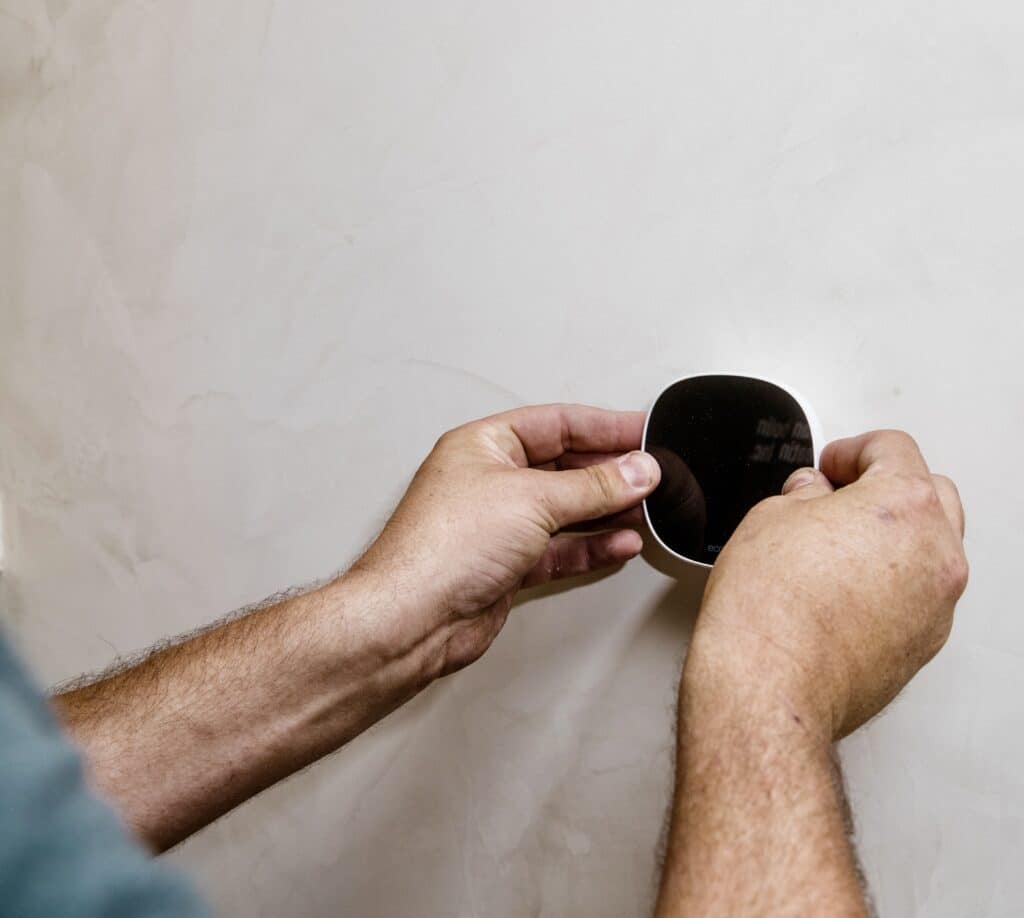
Modern thermostats can often be paired with older wall heaters and floor furnaces that originally used manual controls or mechanical thermostats — giving you programmable schedules, remote access, and more precise temperature control without replacing the heater itself. In some cases, we can update older components with more dependable replacements that help keep the system running reliably.
Other times, the home has changed more than the system has. Additions, different room usage, or comfort expectations can push an older system past what it was originally designed to handle. A mini-split in the area that’s struggling can often solve the problem without replacing the primary system.
- WHEN REPAIR ISN'T ENOUGH
When It Makes Sense to Convert to Central HVAC or a Heat Pump
There comes a point when repairing an older system stops making sense — not because it can’t be fixed, but because the house has outgrown what the system was designed to do. In those cases, a modern central heating system or heat pump is often the right long-term solution.
SIGNS THE SYSTEM HAS BEEN OUTGROWN
- A single wall heater trying to heat a home that's been expanded
- A floor furnace in a house where comfort needs have changed
- A gravity furnace repaired multiple times that still falls short
- A system doing its job, but not for the home it's in anymore
WHAT ANOTHER REPAIR WON'T FIX
- A system that no longer has enough capacity for the home as it exists today
- Poor heat distribution from the original system design
- Comfort problems caused by additions or remodeled spaces
WE HANDLE THE FULL SCOPE
- Removal of old equipment, duct design and installation where none exists, equipment selection, and permits — treated as one job from start to finish.
Why Homeowners Call Hoffman for These Systems
We’ve been working on these systems since 1981. We still stock parts for many older wall heaters, floor furnaces, and gravity furnaces, and we know how to repair and rebuild them when they’re worth saving.
Some problems are straightforward repairs. Others are signs the system has reached the end of its useful life. Either way, we’ll inspect the system, show you what we found, and tell you what makes sense.
Wall Heater, Floor Furnace & Gravity Furnace FAQ
Why won't my pilot light stay on?
A pilot light that won’t stay lit is often caused by a worn safety component, buildup around the pilot assembly, or a problem with the gas valve.
If you’ve relit the pilot a few times and it keeps going out, stop relighting it and have the system checked. There’s usually a reason it won’t stay on.
Can these old systems be rebuilt?
Some older systems can be rebuilt if the heat exchanger is in good shape. It depends on parts availability and whether the overall condition justifies the work. We’ll tell you whether a rebuild makes sense or whether you’d be better served by a different solution. Depending on the home, that could mean a mini-split system or a full conversion to central heating and cooling, or a heat pump system.
Can I convert my wall heater to central heat?
Yes. Replacing a wall heater with central heat usually means installing a completely new ducted HVAC system throughout the home.
In older Los Angeles homes, that can become a significant project depending on the layout, attic access, and whether the house was ever designed for ductwork in the first place. In some situations, a ductless mini-split system ends up making more sense because it provides heating and cooling without requiring ducts.
Whether the property is a single-family home or multifamily building also affects what makes the most sense. The right approach depends on the type of property, the layout of the home, comfort goals, and how much work makes sense for the space.
What are the warning signs that my wall or floor heater needs repair?
Warning signs that a wall heater or floor furnace may need repair include a pilot light that won’t stay lit, soot around the unit, unusual smells or noises, repeated shutdowns, or a heater that no longer heats the way it should. Those problems don’t automatically mean the system needs to be replaced. We look at what’s causing the problem, the condition of the equipment, and whether a repair still makes sense.
Is it safe to keep using an old wall heater or floor furnace?
It depends on the condition of the unit. Older systems can develop cracked heat exchangers, faulty gas valves, or ventilation problems — any of which can create a carbon monoxide risk or fire hazard. The issue isn’t the age alone — it’s not knowing the condition of the system. If it hasn’t been inspected recently, it’s worth having someone look at it before you rely on it through the winter.
Can an old floor furnace be a carbon monoxide risk?
Yes. Like any older gas appliance, floor furnaces can develop cracks, venting problems, or other issues that create a carbon monoxide risk.
If yours is old and hasn’t been serviced recently, don’t assume it’s fine just because it’s been running. CO is colorless and odorless — a detector and a professional inspection are the only reliable ways to know.
Old System, New Problem?
If your wall heater, floor furnace, or gravity furnace has stopped working — or you’re not sure it’s running safely or properly — we’ll come take a look and tell you what we think.